


Build Your Own 3.2m Astronomical Dome Observatory
The Skylabs DIY Dome is a high-performance, 3.2-metre astronomical observatory designed to bridge the gap between expensive commercial domes and custom home builds. This digital pack provides everything you need to build a durable, lightweight, and weather-resistant sanctuary for your telescope using standard materials and modern 3D-printing technology.
Compared to popular Roll-Off-Roof amateur observatories, this dome offers a small footprint and yet enough space for small social gatherings.


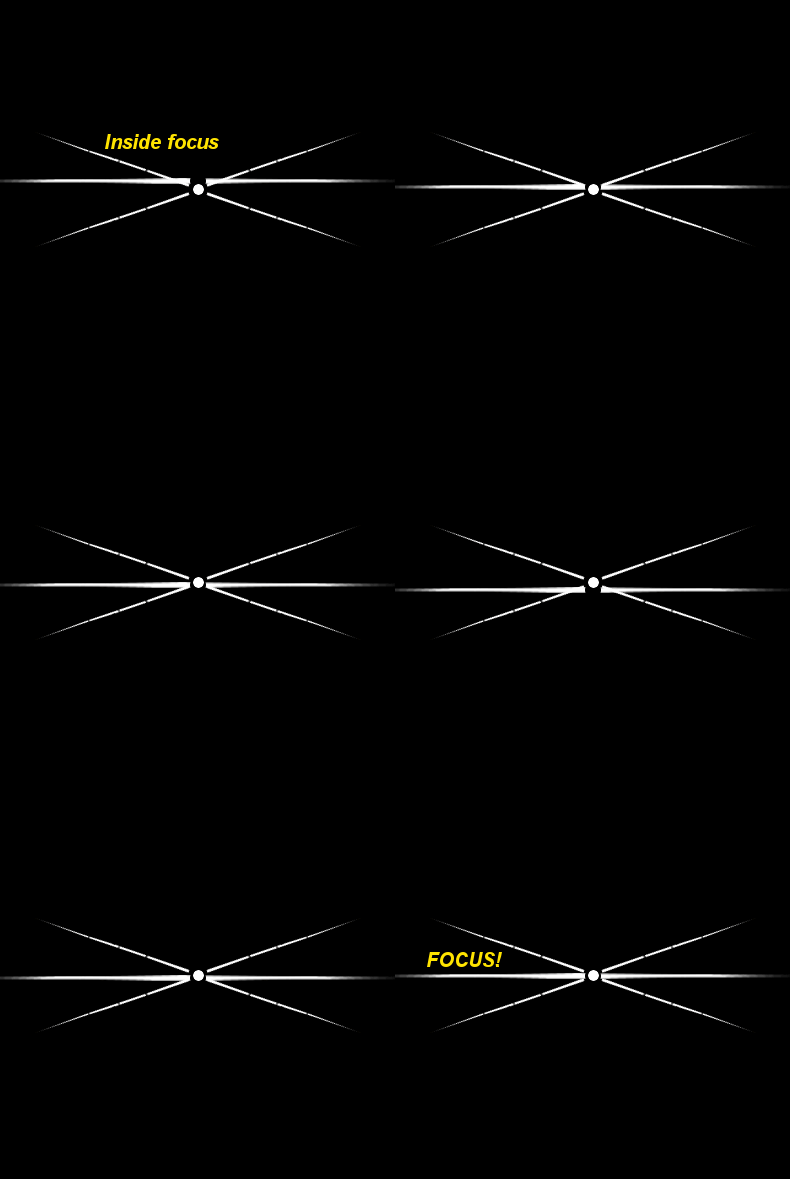
How to Use a Bahtinov Mask
Why Choose the Skylabs Dome?
-
Cost-Efficient: Achieve commercial-level structural integrity at a fraction of the market price.
-
Precision Engineering: We use a plywood skeleton clad in Aluminium Composite Material (ACM). This 4mm dual-layer skin offers professional aesthetics with full weather resistance and exceptional rigidity.
-
Smart Assembly: Designed for the solo builder (with a little help from a friend). The build utilizes 3D-printed structural components to eliminate complexity and ensure a perfect fit every time.
-
Optimized Thermal Control: A specialized base gap ensures rapid thermal equilibration, reducing internal turbulence for steadier, high-resolution viewing.

Technical Specifications
-
Diameter of the dome: 3200 mm outer diameter / 2600 mm inner diameter.
-
Dome height: 1881 mm
-
Weight: ~300 kg
-
Aperture: 1-metre wide sliding shutter providing a clear view from 0° to 112.5° (including past the zenith).
-
Rotation: Smooth, manual rotation via an 8-caster track system.
-
Portability: Designed to be pre-assembled in a garage or shed, then dismantled for transport to its final location.

What’s Inside the Digital Pack?
This is a comprehensive technical blueprint for success. You will receive:
-
Detailed Architectural Plans: Full schematics for the plywood structure and ACM cladding.
-
CNC-Ready Cut Files: Precision files for CNC machining the plywood structural skeleton. Every piece is labelled and ready for immediate assembly, removing the guesswork from manual cutting.
-
Structural STL Files: 3D-print your own heavy-duty ASA structural joints and components.
-
Custom Tooling: STL files for specialized 3D-printed assembly tools (printable in PLA+) to ensure pinpoint accuracy.
-
Master Component List: A complete spreadsheet of every screw, bolt, caster, and material needed, including indicative NZ market pricing.
-
Video Tutorials: Visual guides to walk you through the entire fabrication and assembly process.
FAQs
General Product Info
-
What exactly am I buying?
You are purchasing a digital pack containing the technical blueprints, CNC-ready cut files, 3D-printing STL files, and step-by-step video tutorials to build your own 3.2m observatory. Note: Physical materials (plywood, ACM, hardware) are not included. -
How much does the build cost in total?
While prices fluctuate, the pack includes a comprehensive master spreadsheet with indicative pricing for the New Zealand market. This DIY approach typically costs a fraction of a pre-built commercial dome. -
What size telescope will fit?
The dome has a 3.0m internal diameter and a 1-metre wide aperture, comfortably accommodating telescopes up to 90cm (35") in diameter.
Technical & Build Requirements
-
What materials are used for the shell?
The skeleton is CNC-machined plywood, and the exterior is clad in 4mm Aluminium Composite Material (ACM). This provides a professional, weather-resistant finish that is both lightweight and rigid. -
Do I need a 3D printer?
No. If you don’t have a 3D printer, you can request local professional 3D printing services to print the STL files with high-quality ASA and PLA+ materials. -
Can I build this alone?
Most of the assembly is "solo-builder friendly." However, we highly recommend having a friend help you during the whole process. For the cladding work, you will definitely need another person to help you. You will also need 4–6 people (or a crane) to move the finished components onto your base building, depending on the specific requirements of your site.
Design & Performance
-
How does the dome handle heat?
The design features a specialized base gap for rapid thermal equilibration. This reduces internal air turbulence, ensuring your telescope achieves high-resolution views faster. In high-humidity environments, we recommend installing a 24/7 dehumidifier with water drainage. -
Is it waterproof?
Yes. The overlapping construction and ACM skin are engineered to prevent water leakage. The vertical slit features a sliding shutter that provides excellent protection from wind and stray light. -
Can the dome see the Zenith?
Yes. The 1-metre wide shutter allows for a clear view from 0° to 112.5°, meaning you can track objects directly overhead and slightly beyond.
Logistics
-
How do I get it to my site?
The dome is designed to be pre-assembled and tested in a garage or shed, then dismantled for transport to its final location. -
What kind of base do I need?
The dome is designed to sit on top of a customer-provided building or platform. Detailed dimensions for the base interface are included in the architectural plans.
Tools & Assembly
-
What tools do I need to build the dome?
The system is designed to be built with common DIY tools. You will primarily need:-
A cordless drill/driver for structural assembly.
-
Basic hand tools (measuring tape, levels, several clamps).
-
Access to a CNC router (or a local CNC service) to cut the plywood skeleton using our provided files.
-
A 3D printer capable of printing ASA (for structural joints) and PLA+ (for assembly tools).
-
-
Do I need advanced engineering skills?
No. We’ve "de-skilled" the complex parts of the build. The 3D-printed assembly tools included in the STL pack act as jigs, ensuring every component is positioned with pinpoint accuracy without you having to do complex manual layouts.
Maintenance & Durability
-
How do I maintain the ACM (Aluminium Composite) panels?
ACM is incredibly low-maintenance. To keep it looking professional and ensure longevity:-
Cleaning: Use a soft sponge and mild detergent (like car wash soap) to remove dust or pollen. Avoid abrasive pads that could scratch the 0.37mm aluminium skin.
-
Inspections: Check the silicone seals or gaskets around the shutter once a season to ensure they remain water-tight.
-
UV Resistance: The ACM used in this design is rated for exterior architectural use, meaning it won’t fade or chalk under harsh sunlight.
-
-
Is the plywood skeleton protected from the elements?
Yes. The ACM cladding acts as a full weather shield. However, the plywood must be painted and sealed before assembly as an extra layer of protection against internal condensation and to create a barrier between the timber and the aluminium. -
How does the manual rotation stay smooth?
The dome rolls on an 8-caster track system. The total weight of the dome is below 300 kgs, while each caster has a load capacity of 120Kg. This system have been overdimensionated on purpose in order to move the dome smoothly. Each caster can be adjusted independently to compensate height differences between summer and winter time and ensure that all the casters touch the rotation surface.
We recommend a quick check of the track every few months to clear any potential debris that could cause friction. No heavy greasing is typically required.
Legal & Consents
-
Do I need a building consent in New Zealand?
In many cases, no. Under current New Zealand building laws, single-storey detached buildings up to 30 square metres (such as this dome, which has ~7 square metres) generally do not require a building consent, provided.-
They do not contain sleeping accommodation, cooking, or sanitary facilities.
-
They are positioned at least their own height away from any boundary or residential building (though rules eased in 2025 now allow some structures to be as close as 1 metre from the boundary without consent).
-
All electrical work is performed by a registered electrician.
-
While a building consent may not be needed, you must still comply with the NZ Building Code and check your local District Plan for specific zoning rules.
-
What if I am outside of New Zealand?
Regulations for small structures vary significantly by country and state. We recommend contacting your local council or building authority to confirm the rules for "non-habitable accessory structures" or "detached sheds" before beginning construction.
Warranty & Support
-
What is the warranty on a digital product?
Because this is a digital pack of intellectual property (plans and files), we cannot offer a warranty on the final physical structure, as the build quality depends on your materials and craftsmanship. However, we guarantee that all digital files (CNC, STL, and PDF) are technically accurate and will open correctly in standard software. -
Do you provide technical support during the build?
Yes! Your purchase includes access to our library of video tutorials that cover the most technical stages. If you encounter an error in the plans or a file that won't print, you can contact our support team for assistance. -
Can I return the digital pack if I change my mind?
Due to the nature of digital downloads, we cannot offer refunds once the files have been accessed. We encourage you to review the technical specifications and tool requirements thoroughly before purchasing.